 By Admin
  Jun 21, 2023
 -
 By BigEasyDrainage






Proper drainage is essential for maintaining the integrity of properties and preventing water-related issues. Drainage contractors play a crucial role in designing and installing effective drainage systems tailored to specific needs. In this blog post, we will explore various types of drainage systems commonly installed by drainage contractors. By understanding these systems, property owners can make informed decisions regarding their drainage needs and ensure optimal water management.
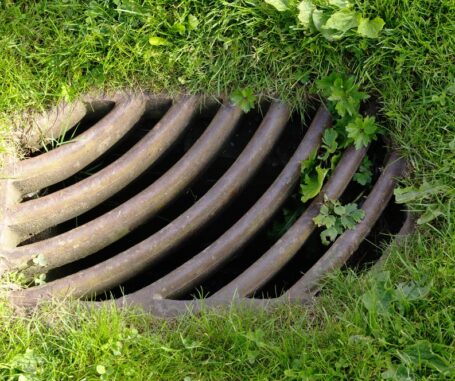
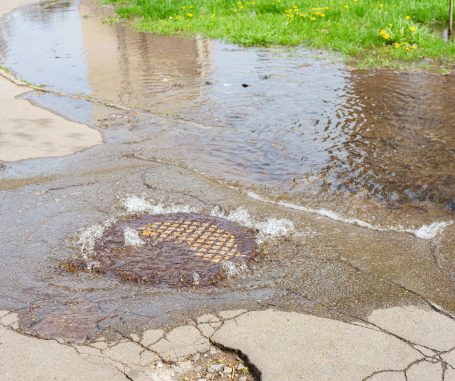
Surface drains are commonly used in areas where water tends to accumulate on the ground’s surface. These drains consist of a grated inlet that allows water to flow into an underground pipe system. Surface drains are effective in capturing excess water from driveways, patios, and other flat surfaces, preventing water pooling and potential damage.
French drains are subsurface drainage systems designed to redirect groundwater away from structures. They consist of a perforated pipe surrounded by a gravel-filled trench. The pipe collects water from the surrounding soil and redirects it away from the property. French drains are particularly useful in managing water buildup around foundations, preventing moisture-related issues such as basement flooding and structural damage.
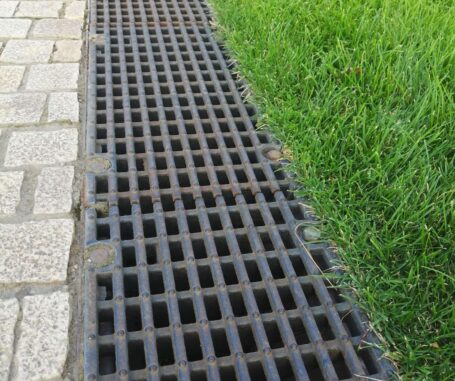
Channel drains, also known as trench drains, are linear drains installed in paved surfaces or areas with heavy foot traffic. These drains consist of a long, narrow channel with a grated or slotted cover that collects surface water and directs it to a drainage outlet. Channel drains are commonly found in parking lots, sidewalks, and pool decks, effectively managing water runoff in high-traffic areas.
Retaining wall drains are designed to alleviate water pressure behind retaining walls, preventing soil erosion and potential structural failure. These drains are installed within the wall structure, allowing water to escape through weep holes or perforated pipes. Retaining wall drains help to maintain the stability and longevity of retaining walls, ensuring proper water management and preventing damage to adjacent areas.
Subsurface drainage systems, such as deep wells and sump pumps, are employed in areas with high water tables or poor soil conditions. Deep wells are excavated and filled with gravel or aggregate material to collect and redirect groundwater. Sump pumps are installed in basements or crawl spaces to remove accumulated water and prevent flooding. Subsurface drainage systems are critical in areas where surface drainage alone is insufficient to manage excessive water.
Drainage systems are integral to the proper management of water around properties, preventing potential damage and maintaining their structural integrity. Surface drains, French drains, channel drains, retaining wall drains, and subsurface drainage systems are some of the common types of systems installed by drainage contractors. Each system serves a specific purpose and addresses different water management needs. By working with a professional drainage contractor, property owners can benefit from their expertise in designing and installing the most suitable drainage system for their specific requirements.
For reliable and efficient drainage system repair and installation turn to the experts at Big Easy Drainage. Our experienced team is well-versed in designing and installing a wide range of drainage systems tailored to your property’s unique needs. Contact us today to discuss your drainage requirements and ensure effective water management around your property.