 By Admin
  Mar 9, 2023
-
 By BigEasyDrainage






Let’s face it, land drainage can all too easily slip out of a property owner’s mind, unless they’re in the midst of dealing with the consequences of inadequate drainage systems. Unfortunately, if left untreated, these problems can lead to significant damage to your property and land. Thankfully, you can avoid these consequences with proper preventative measures.
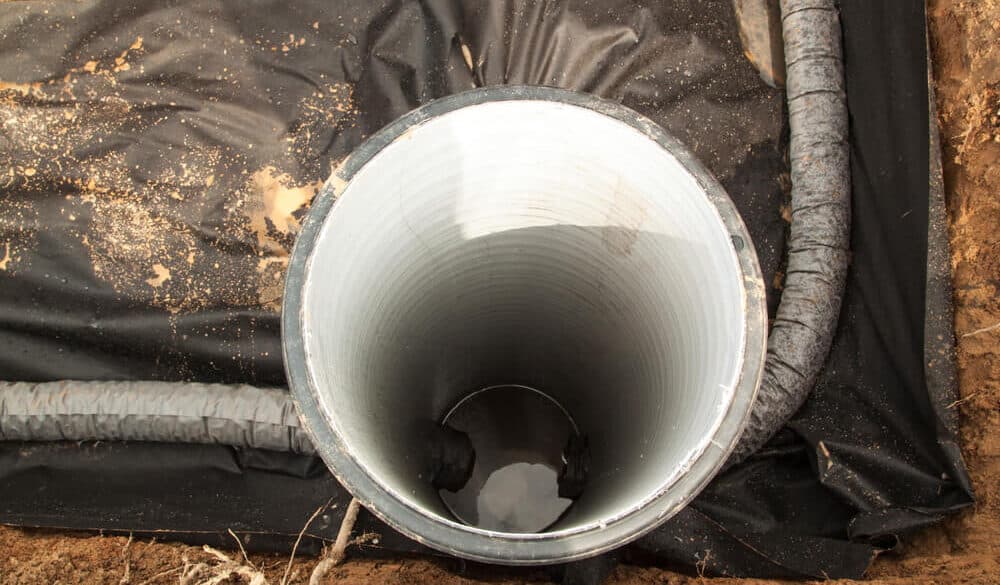 Proper land drainage services are essential for preventing floods and other water-related disasters. It is also important for ensuring that the soil is able to absorb wate managing water resources, and each one is important for ensuring a healthy environment. One of the most common ways of managing water resources is through the use of dams and reservoirs, which are used to store water for future use. By storing water in these structuresr and nutrients, as well as for keeping the water table at a healthy level. There are various methods of
Drainage contractors must take into consideration several factors when looking into land drainage. These factors include soil type and condition, topography, climate conditions, and size of land. The better the understanding of these factors, the more effective the drainage will be. In addition, one should also consider how the existing drainage systems interact with other systems, such as creeks, streams, rivers, lakes, ponds, and wetlands.
With this knowledge in hand, we are now ready to move forward and discuss what elements are required for successful land drainage in our next section – What is land drainage?
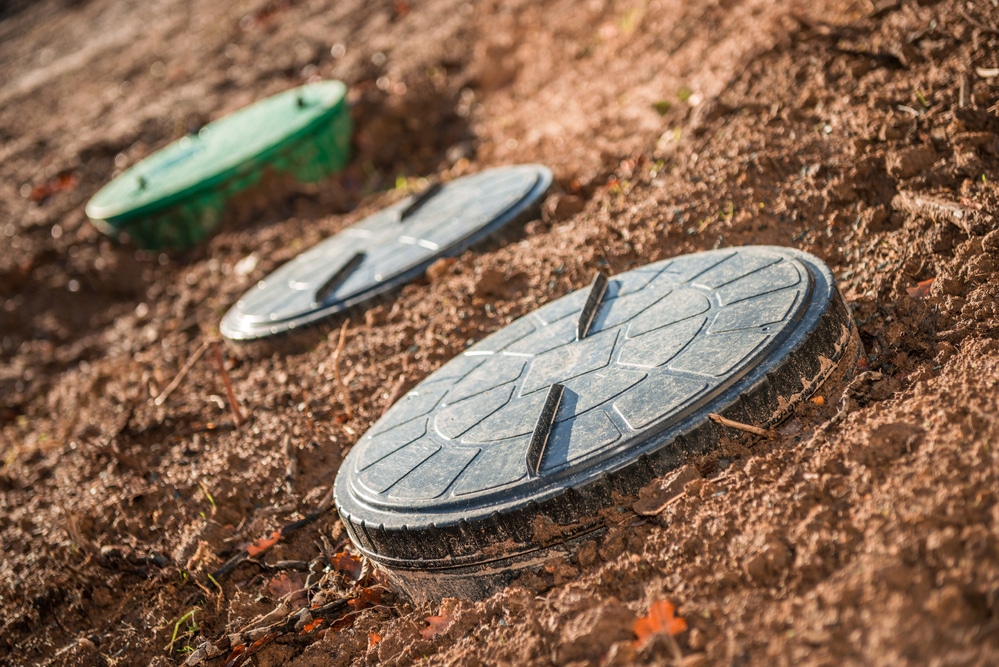
Land drainage is a process by which water is collected and directed around or through a property in order to encourage adequate moisture levels and prevent flooding. This type of drainage can be used in agricultural and residential areas. Some people argue that land drainage is an essential part of modern life, while others consider it a violation of nature’s intended balance.
As this debate illustrates, land drainage has both benefits and drawbacks. It is important for property owners considering improving their land drainage to take into account these issues before making any decisions. Next, we will discuss factors such as soil type and existing structures that need to be considered when improving land drainage.
When improving land drainage, it is important to consider several factors that may affect the success of the project. Poor drainage can lead to waterlogged soil, flooding and damaging run-off, so understanding the underlying causes and potential solutions will help significantly when attempting to alleviate the issue.
Soil type is an important factor to consider when attempting to improve land drainage. Different types of soil have different characteristics that can influence drainage significantly. Clay soils tend to be heavy and dense, so they are slow to drain. In contrast, sandy soils are lightweight and free draining. All soil types benefit from organic matter such as compost or manure, which helps break up the structure and increase drainage. This type of amendment should, however, be carefully considered, as too much organic matter can create anaerobic conditions in heavy clay soils, reducing the efficiency of drainage.
Slope is an important factor to consider when improving land drainage. The slope of the land, which is essentially its pitch or angle, affects how quickly water runoff occurs and where it will travel to. Generally, land with a higher slope results in faster runoff rates and provides better drainage than land with a flatter grade. However, steeper slopes can be more difficult to manage and can sometimes lead to greater erosion issues.
For optimal drainage, most experts recommend that the ideal maximum ground slope should not exceed 18%. This grade often maximizes runoff while limiting the potential risks of soil erosion due to excessive water volume. When contemplating how to improve drainage on steeply sloped sites, you may want to consider installing terraces or applying additional vegetation to reduce run-off speed and impede floodwaters from temporarily ponding in certain areas.
The run-off rate of an area can be defined as the amount of time and intensity with which water is removed from a specified area or catchment. The aim of improving land drainage is to reduce run-off rate, so that water runs off at a low velocity and in manageable quantities.
Improving the run-off rate has clear benefits for landholders, allowing more effective use of their land for development and growing food crops. It also helps to reduce soil erosion and runoff of pollutants into downstream watersheds. On the flip side though, improved management strategies could lead to increased costs for small-scale farmers, as they’re required to invest in different methods of land drainage such as installing drains on their properties or rebuilding ditches or swales.

Improving land drainage is essential to protecting the life and property of those living in the given area. Unfortunately, while the benefits are numerous, they come with a few considerable challenges that must be addressed.
One such challenge is environmental damage. Improving and modifying land drainage systems often requires altering or manipulating the existing environment in ways that can cause unforeseen consequences. For example, changes to soil levels or gradients can create runoff pathways that could erode the shoreline and introduce pollutants into rivers, streams, and other waterways. However, if managed correctly, these unintended effects may be mitigated through proper site planning and design.
Another challenge is cost. Installing a new land drainage system can be quite costly depending on how complex it is and what materials need to be purchased. Additionally, any additional costs such as maintenance fees must also be factored in prior to implementation for best results. In some cases, funding for a new land drainage system can be made available from local sources or advocacy groups, but this relies on securing a grant rather than traditional forms of financing.
Finally, there is the challenge of working within pre-existing conditions — any existing infrastructure on the site must be taken into account when designing an improved land drainage system while also ensuring it meets legal requirements such as sanitation regulations. This requires careful coordination between engineers, contractors and local building authorities to ensure proper design specifications are met throughout the project’s lifetime.
By following these steps and consulting with local experts from Big Easy Drainage when necessary, you will be well on your way to improving your land’s drainage system.