By Admin
  Mar 24, 2023
-
 By BigEasyDrainage






Drainage issues are admittedly not the most exciting or glamorous problems you can find yourself in, but they are the sort of problems you definitely want to take care of as soon as possible—or else face potential exacerbations of the issue or other resultant plumbing problems afterward. Whether it’s a sink or a bathtub or— worst case scenario—the septic tank, if something is not draining well, then it’s time to go sleuthing for the source of the blockage.
From giant clogs to unexpected flooding, we are here to cover all the bases needed to identify and solve various drainage problems in the most efficient way possible. Read on for advice on the most common drainage problems you might encounter and the best methods for resolving the issue.
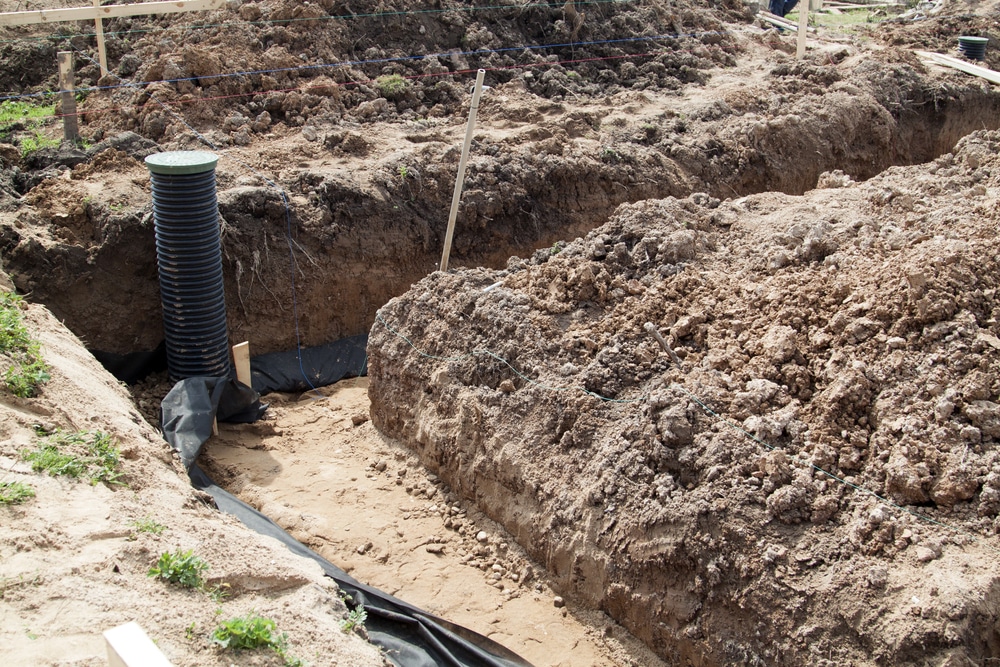 Common drainage problems range from a small annoyance to an absolute nightmare. In some cases, it can spell disaster for your home or business if left unchecked. But how should one identify a problem with their drainage system? That’s the question that needs addressing and there is no one-size-fits-all answer. On one hand, some issues are easy to spot. A smelly odor coming out of a drain, water coming up in the bathtub, or flooded areas around drains are all signs of a potential drainage issue. Unfortunately, other more serious issues may not be so obvious until the problem has already caused significant damage. Slow-draining water, gurgling sounds coming from the pipes, or wet spots that suddenly appear may all indicate a more serious problem deeper within the system.
In order to properly deal with these problems through proper diagnosis and repair solutions must be identified. And that’s why it’s important in an article like this to look at common clogged drains which are one of the most common reasons behind poor home drainage performance. Let’s get started on understanding clogs and how they can affect your plumbing system overall.
Clogged drains are one of the most common drainage problems. Clogs can be caused by a variety of materials including fat, oily substances, soap scum, food bits and solid objects such as toys and hair. Whether it’s a clog in your kitchen sink or bathroom shower, the issue needs to be addressed quickly.
When dealing with a clogged drain, many homeowners will immediately reach for a chemical solution such as bleach or fix-a-clog products. While these products can help, they may not always be the best choice due to their corrosive nature and harsh effects on the environment. Additionally, some clogs may be too tough to break up even with store bought chemicals.
To avoid having to resort to harsh chemicals, try some natural remedies first like boiling water or using baking soda and vinegar. These less intrusive treatments can help break up simple grease clogs or dissolve blockages caused by soap residue. If you want to take it one step further, use a plumber’s snake–a special tool designed to clear difficult clogs that are too tough for natural remedies alone.
Fortunately, with the right preventative measures and a little know-how, clogged drains don’t have to be an expensive and labor intensive problem to solve. Making sure that only appropriate items get washed down the drain can save a lot of money and hassle down the line!
When it comes to drainage blockages, sometimes the problem is severe enough that DIY solutions aren’t sufficient. Blockages in your sewage lines are usually very difficult to fix on your own and depending on the severity of the blockage, may require the help of a professional plumber. The cause of blocked sewer lines can range from tree root infiltration to flushing non-flushable materials down toilets.
One argument for hiring a professional service is that such services will have access to special equipment for clearing out blockages. Such equipment may include industrial grade water blasting machines or even camera systems used for locating the source and severity of your blockage issue. Furthermore, professionals will be able to inspect underground pipes to ensure all the damage has been accounted for and removed.
On the other hand, some people may feel like they can tackle their plumbing problems themselves. There are products available from hardware stores that claim they can do the job, but they usually carry with them an inherent risk as there is no guarantee of success and any damage made by inexperienced tinkering with drains could make your problem even worse.
While a blocked sewer line is one of the more common problems you may come across, it is important to be able to identify when professional help is necessary. If there has been a backup in the sewer line and all attempts at unclogging it have failed or the problem seems to persist despite your best efforts, then it’s likely time to call in an experienced plumbing specialist who can diagnose and fix the underlying issue. On the other hand, if you’ve successfully cleared the clog with some homemade solutions, such as boiling water, vinegar, and baking soda, then you may be able to save money by not calling a professional.
Ultimately, knowing when to call in a plumber will depend on the severity of the problem and your own expertise level. If DIY methods haven’t solved the issue or if you feel uncomfortable dealing with what could be a complex situation, play it safe and contact a reliable drainage contractor near you.
Slow-running drains can be a difficult problem to solve. On one side of the debate, the need for professional solutions may not be necessary in all cases as there are some do-it-yourself strategies that can improve performance, such as using a plunger to dislodge stubborn clogs. This can sometimes fix light blockages such as hair and soap particles. To ensure success, use a sink plunger on the affected drain, then fill the sink with hot water and quickly plunge it a few times while the water is draining.
On the other side of the debate, some slow-running drains may be too complex or serious for DIY methods to fix. Drainage systems for an entire home may reduce in efficiency over time due to numerous factors, such as mainline blockages or structural damage. In this case, it is important to contact a professional plumber for an inspection and assessment of your network’s drainage system. Professional solutions may include PVC pipe inspection technology to identify problems or hydro jetting services to clear existing blockages.
After an in-depth discussion about slow-running drains, it is essential to transition to the issue of excess surface water and any other water problems that can emerge. While some properties do not face this problem, many homeowners encounter difficulty due to extra liquid collecting around their house, soaking the lawn, pooling near driveways or collected in basements and crawl spaces. To prevent the resulting damage, such as flooding and weakened infrastructure, it is important to address these issues quickly.
Excess surface water often happens as a result of heavy rains or improper grading around your property. To be sure that your home has sufficient drainage, confirm that your landscape is sloped away from the foundation of your home by at least a foot for every ten feet away from the house. Additionally, check for any cracks in the foundation that could be impacting the amount of water collected at the base of your home.
When it comes to addressing common drainage problems, the best solution is to be proactive. Taking steps to prevent water accumulation and movement issues before they become major problems will save time, money, and effort in the long run.
Preventative measures for excess surface water include maintaining a proper grading system near the foundation of your home or business. This can be as simple as creating a downward slope from the roofline away from the building. As an added measure, installing French drains or swales in trouble spots can help direct collected rainwater or runoff away from your structure.
Other excess water problems can be addressed on an individual basis as they arise. If necessary, you can consult with a professional drainage contractor from Big Easy Drainage who specializes in drainage solutions such as plumbing and landscaping experts. These professionals can provide advice on permanent solutions such as the installation of sump pumps, sewer line repairs, and general landscaping assistance depending on the specific problem.
Ultimately, whether these solutions are approached proactively or reactively is up to property owners and their individual needs. In either case, due diligence must be given to understanding what options are available and how effective each would be in regard to drainage problems.